 01
01Research · Policy · AI Index
Stanford HAIFUURAA editorial perspective
 Conceptual visual
FUURAA Global AI Review
FUURAA studies AI through science, engineering, policy, markets and human life. We compare and synthesise public evidence from institutions around the world, then publish our own bilingual analysis, questions and long-range perspective.
Independent institutions we follow
These institutions are independent sources that FUURAA monitors for public knowledge. Inclusion does not imply any partnership, endorsement or institutional affiliation.
01Research · Policy · AI Index
Stanford HAIFUURAA editorial perspective 02
02Emerging technology · Society
MIT Technology ReviewFUURAA editorial perspective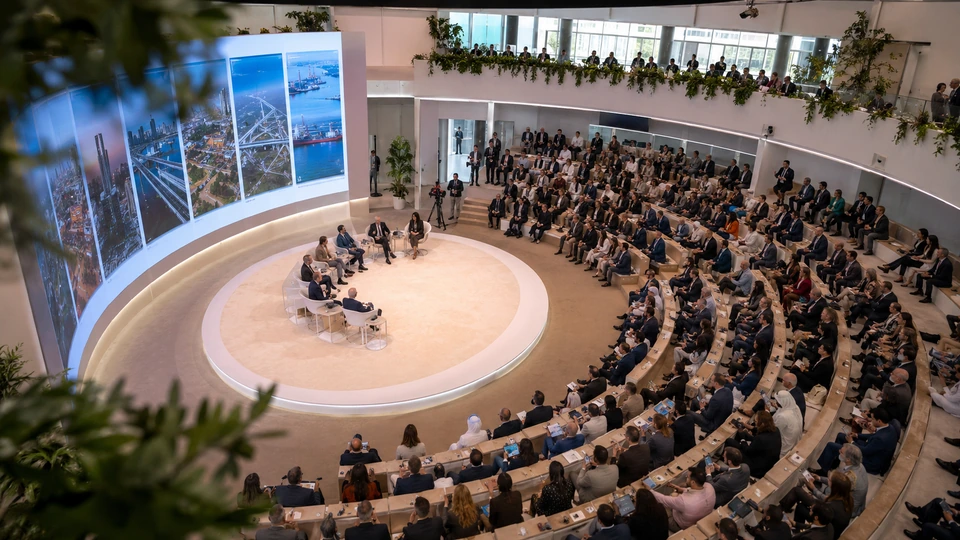 03
03Industry · Economy · Global dialogue
World Economic ForumFUURAA editorial perspective 04
04Policy · Data · Trustworthy AI
OECD.AIFUURAA editorial perspective 05
05Strategy · Organisations · Work
Harvard Business ReviewFUURAA editorial perspective 06
06Management · Implementation · Leadership
MIT Sloan Management ReviewFUURAA editorial perspective 07
07Peer-reviewed research · Analysis
Nature Machine IntelligenceFUURAA editorial perspective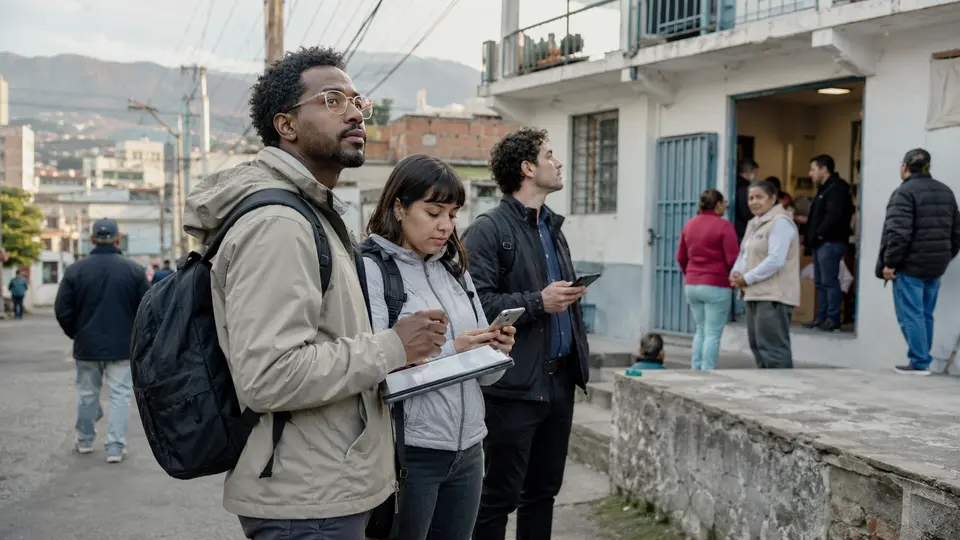 08
08Digital society · Governance · Inequality
Oxford Internet InstituteFUURAA editorial perspective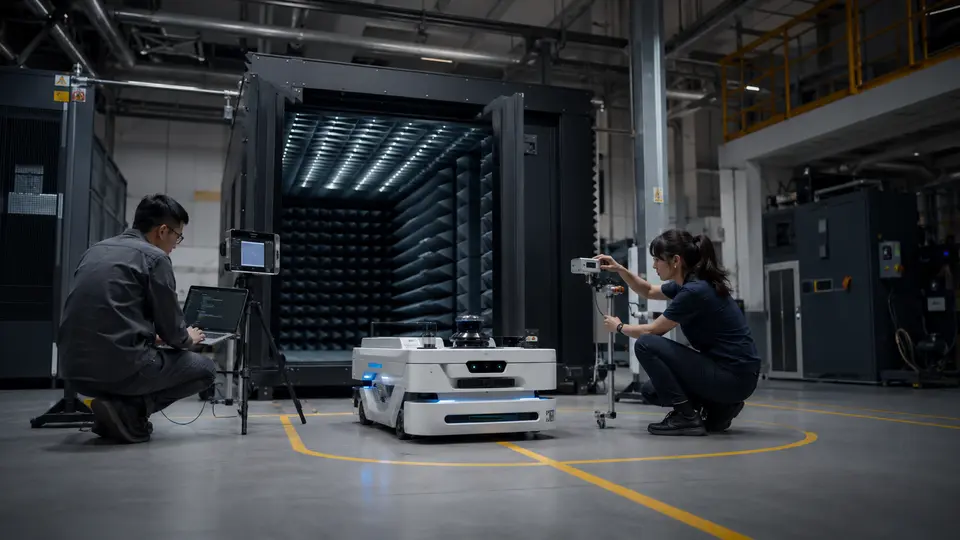 09
09Engineering · Systems · Applications
IEEE SpectrumFUURAA editorial perspective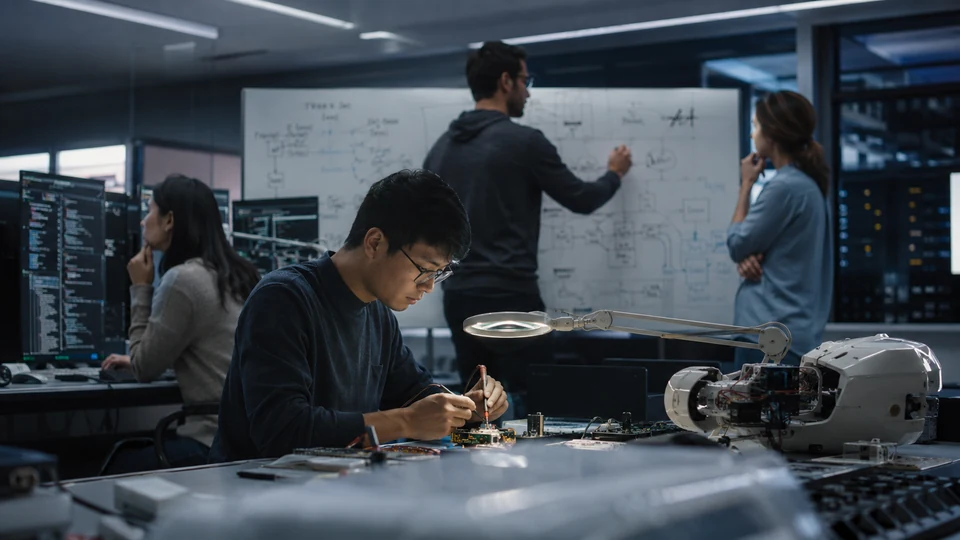 10
10Computer science · Education · Research
Carnegie Mellon School of Computer ScienceFUURAA editorial perspective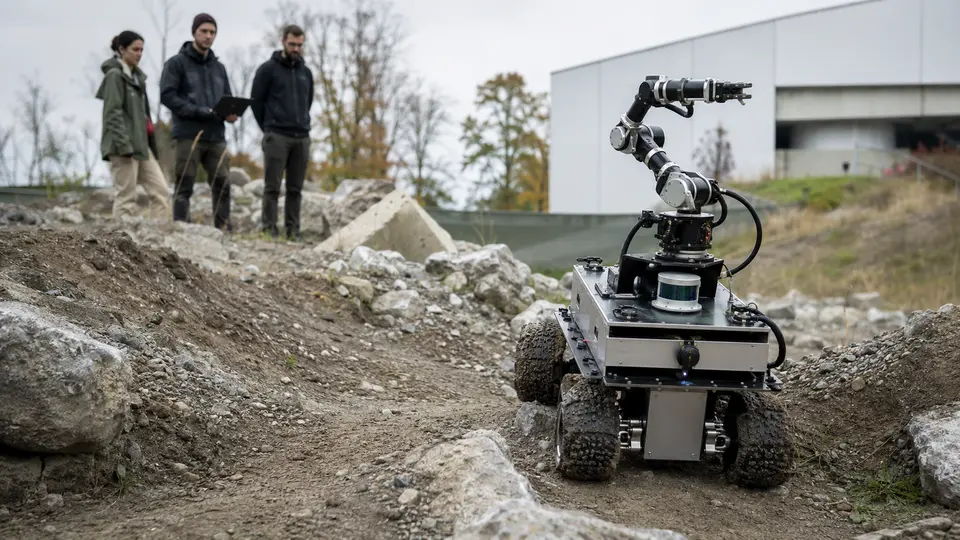 11
11Robotics · Autonomy · Physical AI
Carnegie Mellon Robotics InstituteFUURAA editorial perspectiveFUURAA research agenda
These are editorial and research directions—not claims that every related product or capability already exists.
How will compute, energy, data, standards and interoperable services become a durable foundation for intelligent activity?
What identity, memory, permissions, audit and human control are required when AI systems can act across tools and institutions?
How can robots operate safely and usefully in environments designed for people, with uncertainty treated as an engineering reality?
Where can AI expand discovery, and which verification systems are needed before generated hypotheses become reliable knowledge?
How will intelligent systems change organisations, skills, markets and the distribution of economic opportunity?
Which rights, capabilities and public choices help AI extend human agency rather than narrow it?
From source to FUURAA analysis
We link readers back to original publications, avoid reproducing protected text and imagery without permission, and make the FUURAA contribution visible.
Begin with identifiable research, data, policy or reporting—not an unattributed retelling.
Place technical capability beside engineering limits, institutional context and human consequences.
FUURAA restates the evidence in its own words and explains why it matters across the wider AI system.
Observed evidence, editorial interpretation and long-range forecasts are kept visibly separate.
Read FUURAA’s bilingual frontier records or inspect the wider source network behind the knowledge platform.