 Frontier Observation
Singapore Digital Economy · 6 October 2025

Research domain 03
We study the economics of intelligent labour, agent-enabled organisations, digital value, capital allocation, compute, energy and the distribution of AI opportunity between firms, workers and regions.
 FUURAA conceptual visual
Open research questions
How will intelligent labour change productivity, firm design and the meaning of work?
Which identity, payment and governance layers are required for agent-mediated exchange?
How can the benefits of AI diffuse beyond the largest firms and richest economies?
Reference points
These sources are independent references. Listing does not imply collaboration, approval or endorsement.
Independent measurement of capability, investment, adoption and social effects.
Open canonical source ↗02OECDSurvey evidence on adoption, skills and productivity in smaller firms.
Open canonical source ↗03IEAOpenly licensed modelling of electricity demand, supply and infrastructure.
Open canonical source ↗Related publications
Frontier ObservationSingapore Digital Economy · 6 October 2025
 Frontier Observation
Capital Markets · March 2025
 Frontier Observation
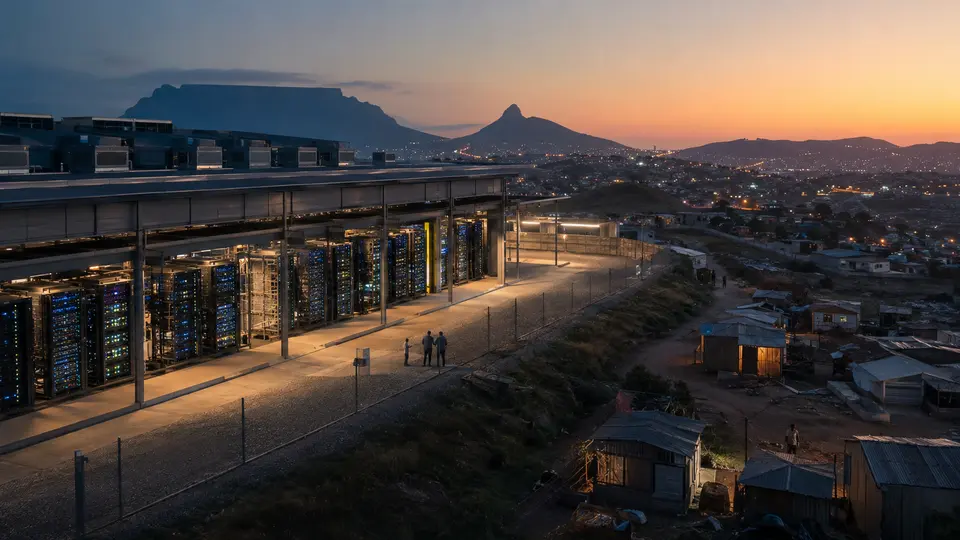
AI Market & Development · 7 April 2025
 Frontier Observation
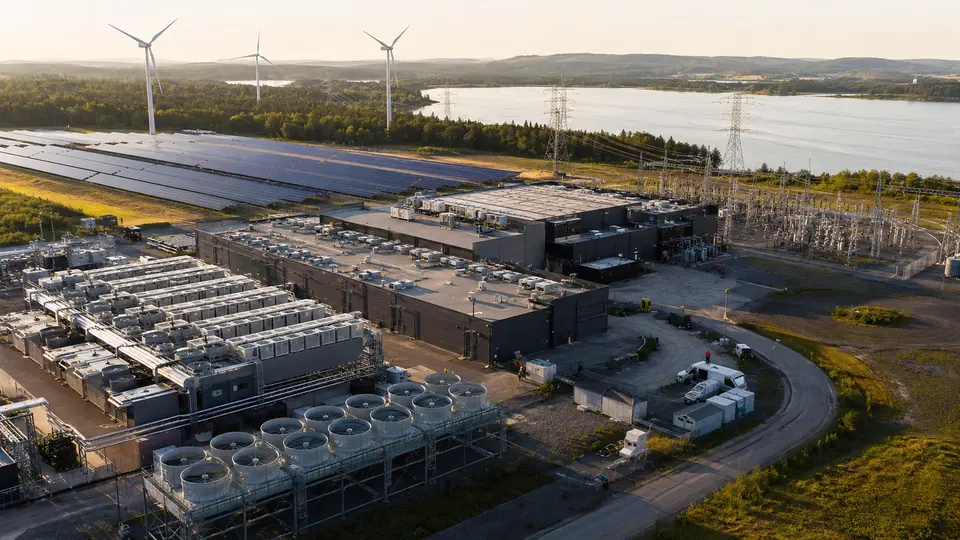
Compute, Energy & Climate · 10 April 2025
Live evidence radar
The ECB links intensive use with broader investment and multiple financing sources. Custom integration, infrastructure and organisational redesign demand more durable funding than buying general-purpose licences.
→ECB evidence suggests firms deepen AI use when peers and technologically advanced entrants move first. Diffusion may therefore arrive in sectoral waves rather than at a uniform economy-wide pace.
→Common reporting fields make it easier to compare risk assessment, security, accountability and transparency practices across organisations.
→FUURAA expects broad principles to be translated into sector-specific controls for health, finance, education and public services.
→The report highlights large gaps between expert and public expectations about jobs, the economy and medical care.
→Accuracy and robustness do not reveal whether a system undermines equality, participation, due process or other protected interests.
→WHO's assessment finds broad momentum across all 27 EU Member States, with patient care a shared driver and clinical use already under way in many systems.
→The IEA’s 2026 update treats electricity availability, grid timing and local concentration as central variables in AI expansion. Compute plans can no longer assume power arrives automatically.
→Keep the question open
Researchers, engineers, universities and public institutions may propose sources, corrections or areas for structured review.